Predictive Analytics & NLP: Building Smarter Applications from the Ground Up
By Tom Lang on June 9, 2025
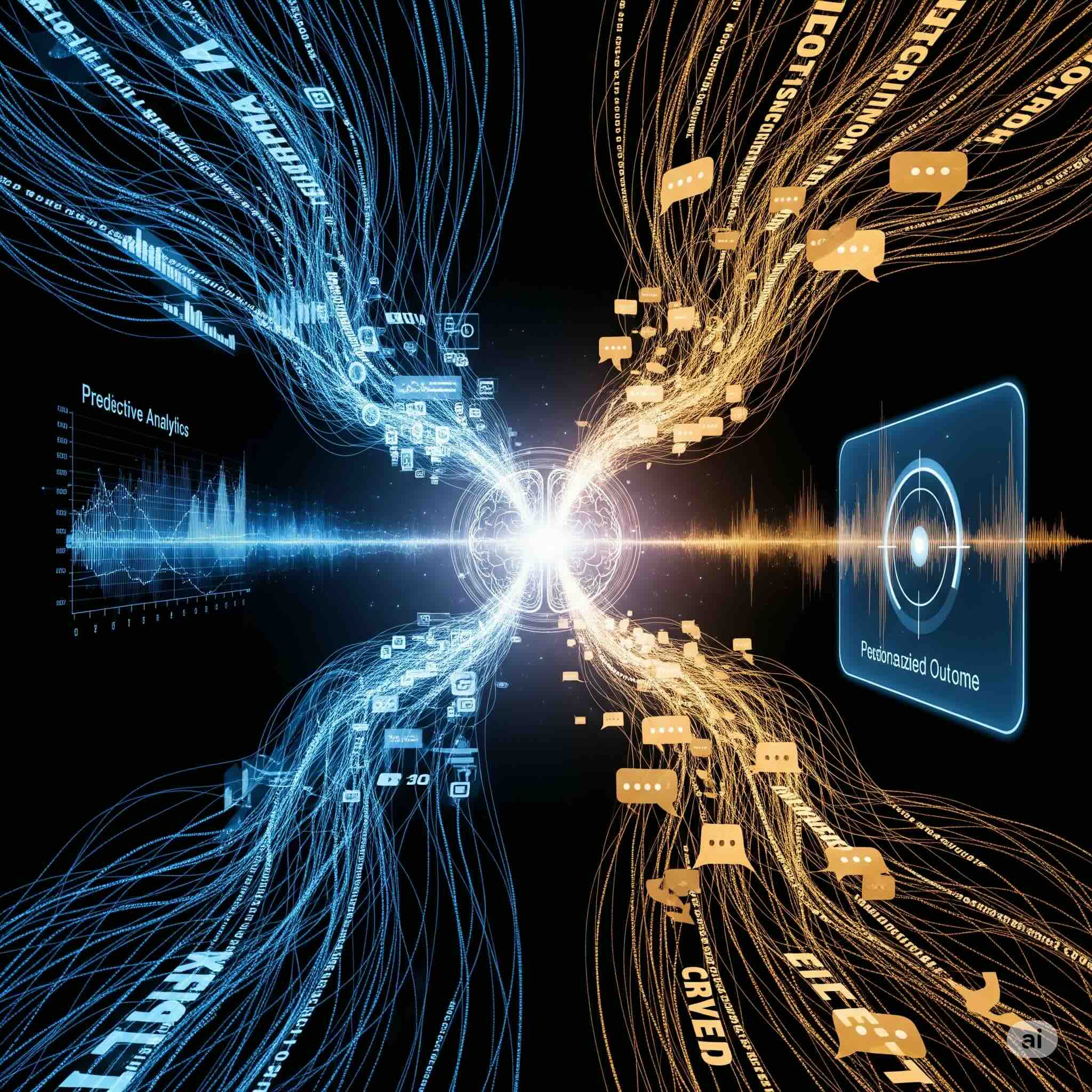
In today's fast-paced digital landscape, applications are no longer just tools; they are expected to be intelligent assistants, anticipating needs, personalizing experiences, and automating complex tasks. This evolution is driven by the powerful combination of Predictive Analytics and Natural Language Processing (NLP), working hand-in-hand to build smarter applications from the ground up. While predictive analytics allows applications to forecast future outcomes based on historical and current structured data, NLP equips them with the ability to understand, interpret, and generate human language. When these two disciplines converge, the result is a new generation of "AI-First" applications that can leverage both numerical insights and the rich, often unstructured, context of human communication.
Predictive Analytics: Forecasting the Future
Predictive analytics is about leveraging statistical models, machine learning algorithms, and historical data to make informed predictions about future events or behaviors. In an AI-First application, this means:
- Anticipating User Needs: Predicting what a user might want to buy next, which content they'll engage with, or what task they're likely to perform.
- Proactive Risk Management: Identifying potential fraud, equipment failure, or customer churn before they occur.
- Optimizing Operations: Forecasting demand for inventory, predicting optimal staffing levels, or scheduling maintenance to prevent downtime.
Think of a streaming service that suggests your next binge-watch based on your viewing history and similar users' patterns. That's predictive analytics in action. It's about answering the question, "What is likely to happen?"
Natural Language Processing (NLP): Understanding Human Language
NLP is the branch of AI that enables computers to understand, interpret, and interact with human language in both written and spoken forms. This is crucial because a vast amount of valuable data exists as unstructured text: emails, customer reviews, social media posts, support tickets, medical notes, and more. NLP empowers applications to:
- Understand Context and Intent: Moving beyond keywords to truly grasp the meaning behind user queries or communications.
- Extract Information: Automatically pull out named entities (people, organizations, locations), key phrases, or sentiment from large volumes of text.
- Generate Human-Like Text: Create summaries, personalized messages, ad copy, or even code based on prompts.
- Enable Natural Interaction: Powering chatbots, virtual assistants, and voice interfaces that respond intelligently and fluently.
A customer service chatbot that understands your nuanced complaint, or a legal application that summarizes lengthy contracts—these are examples of NLP bringing intelligence to the forefront.
The Synergy: Building Smarter Applications
The real magic happens when predictive analytics and NLP are woven together into the very fabric of an application. This integration allows for a more holistic understanding of data and a richer, more proactive user experience. Here's how they work together to build smarter applications from the ground up:
Enriching Predictive Models with Textual Insights:
- Customer Churn Prediction: A predictive model might use structured data like subscription history and usage patterns. Adding NLP to analyze customer support chats, social media comments, or survey responses for sentiment or recurring complaints can significantly improve the accuracy of predicting who is likely to churn. Understanding why a customer might leave (from their own words) leads to more actionable interventions.
- Fraud Detection: Beyond transactional data, NLP can analyze the language used in emails, call transcripts, or loan applications to detect suspicious linguistic patterns or inconsistencies that might indicate fraudulent activity.
- Sales Forecasting: Analyzing market news, economic reports, and social media discussions using NLP can provide crucial qualitative signals that enhance traditional sales forecasting models.
Personalized Experiences Driven by Language and Behavior:
- Intelligent Recommenders: An e-commerce site can use predictive analytics to suggest products based on past purchases. Adding NLP to analyze product reviews, search queries, and even customer service interactions (via transcripts) allows the application to recommend items not just based on what was bought, but also why it was liked (or disliked) and what specific features or sentiments were expressed.
- Adaptive Learning Platforms: Educational apps can predict a student's weak areas based on quiz results. NLP can then analyze student essays or forum discussions to understand their conceptual difficulties, generating personalized learning paths or explanations tailored to their specific language and understanding gaps.
Proactive Assistance and Automation:
- Smart Email Prioritization: As discussed in previous examples, NLP can categorize email content and extract key entities, while predictive analytics learns your personal prioritization habits, proactively flagging truly important messages and filtering out noise, even if the sender isn't in your contacts.
- Healthcare Diagnostics: Predictive models might assess risk factors from patient records. NLP can then analyze unstructured doctor's notes, lab reports, and even transcribed patient interviews to flag potential diagnoses or recommend further tests, piecing together a comprehensive view from diverse data sources.
- Content Creation and Curation: A marketing platform might use predictive analytics to identify trending topics. NLP's generative capabilities can then craft initial drafts of articles, social media posts, or ad copy based on those trends, accelerating content creation and ensuring relevance.
Building from the Ground Up: Architectural Considerations
To effectively combine Predictive Analytics and NLP, architects and developers must consider:
- Unified Data Strategy: Treat all data—structured and unstructured—as a first-class citizen. Design robust data pipelines that can ingest, preprocess, and make both numerical and textual data available for model training and inference.
- Modular AI Services: Develop separate, scalable services for predictive models and NLP capabilities (e.g., a sentiment analysis service, a named entity recognition service, a prediction service). These can then be orchestrated to work together.
- Feature Engineering for Both: Recognize that text often needs to be transformed into numerical "features" (e.g., word embeddings, TF-IDF scores) that predictive models can understand.
- Feedback Loops: Design explicit mechanisms for user feedback on both predictions and NLP interpretations, allowing the models to continuously learn and improve over time.
The future of application development is undeniably intelligent. By strategically integrating predictive analytics and natural language processing from the ground up, developers can build applications that not only respond to user input but genuinely understand intent, anticipate needs, and proactively deliver value, creating truly smarter and more intuitive experiences.
← Back to Our Insights